

Why Summer Heat Is Actually a Flooring Problem
Homeowners in Stockton, Modesto, and the surrounding valley towns tend to think about flooring in terms of look and durability against foot traffic. What often gets missed is how much the region's climate itself affects wood. Solid hardwood is a natural, hygroscopic material, meaning it absorbs and releases moisture from the surrounding air. When summer humidity drops and indoor air conditioning runs constantly, wood planks lose moisture and contract, sometimes enough to open small gaps between boards.
This isn't a manufacturing flaw or a sign of a bad install. It is simply wood behaving like wood. The species you choose and how the flooring is constructed both play a direct role in how visible or disruptive that seasonal movement becomes. Some species are simply denser and more dimensionally stable than others, which matters more here than in coastal or humid climates where wood moisture levels stay comparatively steady year round.
Species That Handle Dry Heat Well
Oak remains a strong performer in dry climates because its grain structure resists warping better than many alternatives, and its Janka hardness rating gives it good resistance to the wear that comes with kids, pets, and Central Valley dust getting tracked indoors. Hickory ranks even higher on hardness and tends to show less visible movement across seasonal swings, which makes it a common recommendation for high traffic rooms that also get a lot of direct sun exposure through west facing windows.
Maple is another option worth considering, particularly in lighter finishes that are trending, though it can be slightly more prone to visible scratching than oak or hickory. Walnut looks striking but is a softer wood, so it may show more wear in a busy household. None of these species are wrong choices. The right one depends on how the room is used, how much direct sun it gets, and how much seasonal movement a homeowner is comfortable living with.
Engineered Construction Changes the Equation
Solid hardwood is milled from a single piece of wood, while engineered hardwood is built from layered wood plies topped with a hardwood veneer. That layered, cross grain construction makes engineered hardwood meaningfully more dimensionally stable in a climate with big humidity swings, because the layers work against each other to resist expansion and contraction. This is part of why engineered hardwood has become the default recommendation for many new construction homes going up around Manteca and Tracy right now.
That said, solid hardwood still has a place, especially in homes with good climate control and consistent indoor humidity levels. It can also be refinished more times over its life, which matters for homeowners planning to stay put for decades. The honest answer is that species selection and construction type both need to be matched to the specific room, the home's HVAC setup, and how the household actually lives day to day, which is exactly the kind of conversation worth having in person rather than guessing from a blog post.
When Another Flooring Category Might Fit Better
Rooms with heavy direct sun, high moisture like laundry areas, or homes where humidity control isn't consistent are sometimes better served by a different product entirely. Tile handles temperature and moisture swings without the movement concerns wood has, and today's large format porcelain options can mimic a wood look convincingly in spaces like entries or mudrooms. Laminate flooring has also improved significantly in realism and stability, and can be a practical alternative in rooms where solid or engineered hardwood isn't the ideal fit.
None of this is meant to talk anyone out of hardwood. It is meant to help match the right material to the right room, which is the difference between a floor that looks great for two years and one that still looks great in fifteen. A quick walkthrough with someone who knows the local climate and the specific product lines available can save a lot of trial and error.
Choosing hardwood species for a Central Valley home isn't about finding the single "best" wood. It's about matching wood density, grain structure, and construction type to the room's sun exposure, humidity swings, and how the household lives. Oak and hickory are dependable starting points for most spaces, engineered construction is worth strong consideration for new builds, and rooms with heavy moisture or sun exposure deserve an honest look at whether hardwood is even the right call versus tile or laminate.
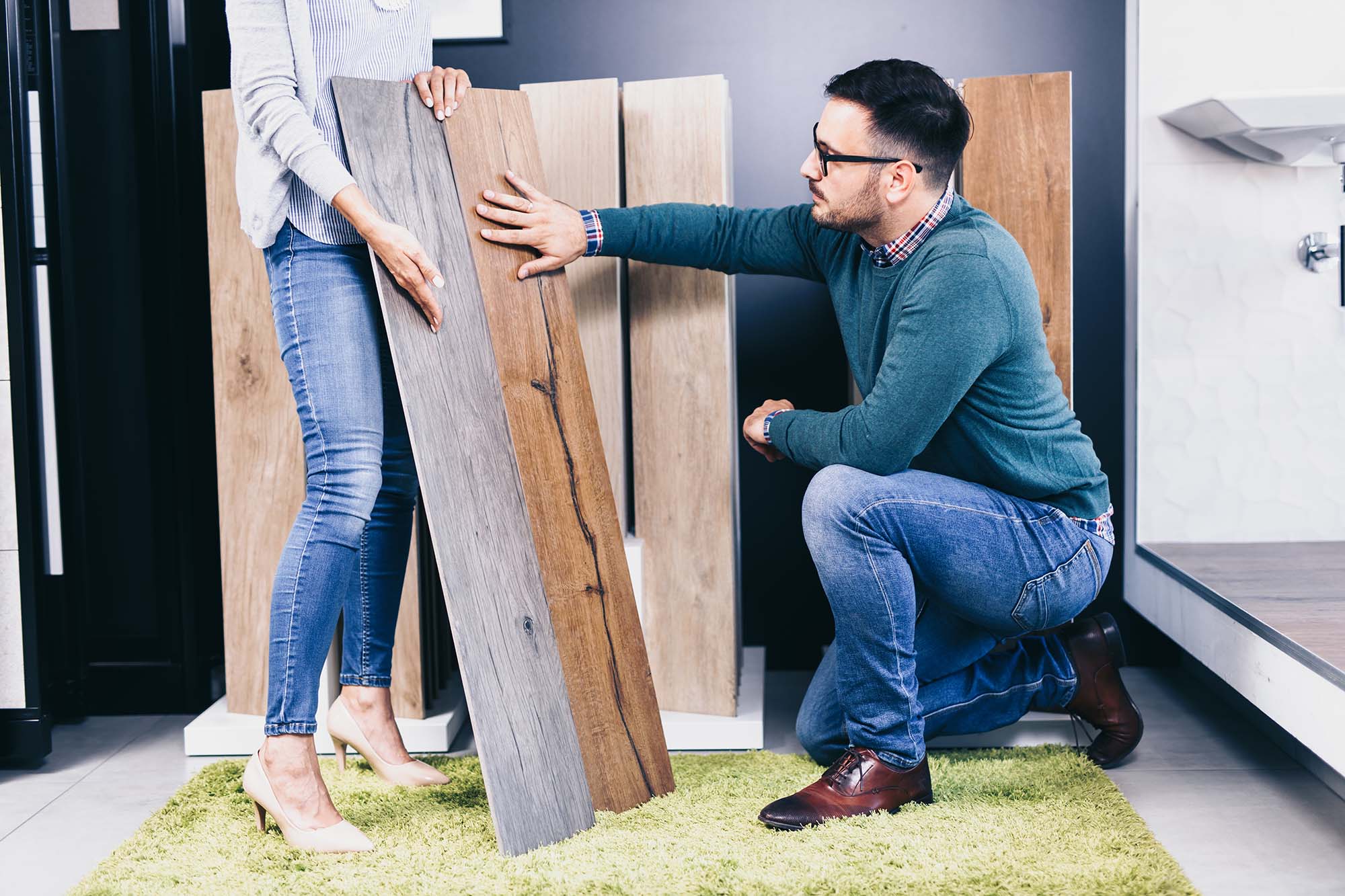
Carpetland carries a wide range of solid and engineered hardwood species suited to this exact climate, and the team can walk through samples against your home's actual lighting and layout. We serve Stockton, and Modesto, CA out of Stockton, or Modesto, CA, and contact us to schedule a visit or request samples before you commit to a species.


